LUXEPAW TOOLS / JOURNAL
When a Cat Resists Grooming: A Safety-First Decision Guide
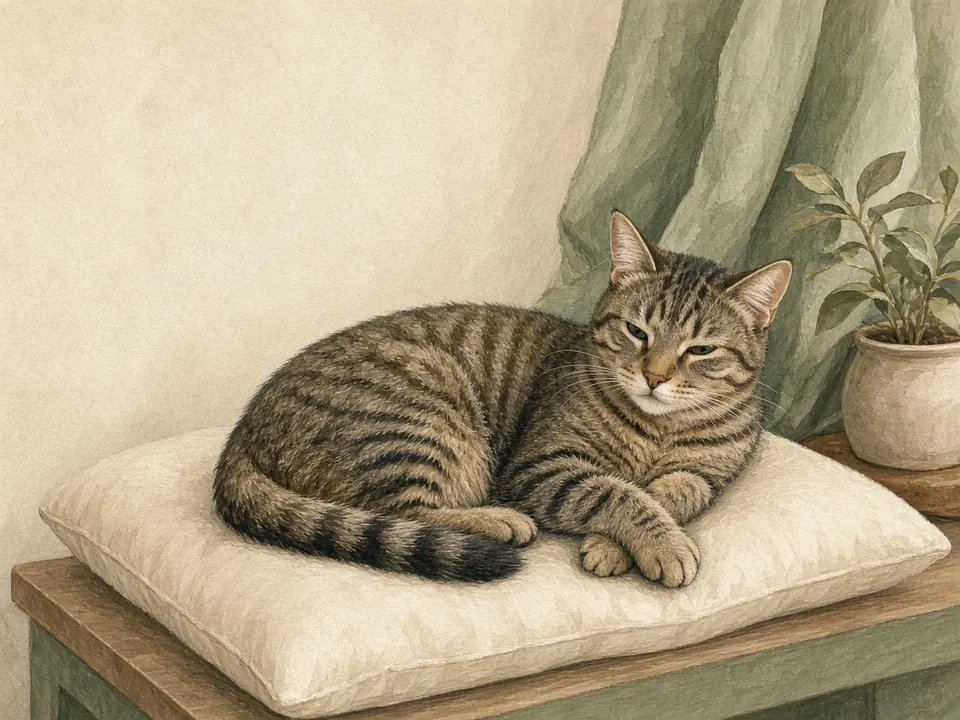
This is a stopping-and-help guide, not a promise to change a cat’s behavior. The task is to notice when an ordinary care session becomes unsafe and choose an appropriate next step, even if the grooming remains unfinished.
1. Start with a coat check
Before choosing a brush, look at the coat and skin. ASPCA advises checking for bald patches, parasites, wounds and unusual bumps before brushing. Treat that check as a decision point: ordinary loose hair and an unexplained skin change are not the same grooming problem. If you see an abnormality, seek veterinary advice rather than trying to brush it away.
Source for this step: ASPCA — Cat Grooming Tips.
2. Do not dismiss painful mats
ASPCA warns that matted hair can be painful and may lead to skin problems. That makes a tight mat more than a cosmetic inconvenience. This guide does not prescribe home cutting, shaving or a spray treatment for a mat. Ask a veterinarian or a competent professional groomer for an approach appropriate to your cat instead of treating resistance as a reason to pull harder.
Source for this step: ASPCA — Cat Grooming Tips.
3. Do not punish resistance
ASPCA says not to raise your voice or punish a resisting cat, and not to attempt clipping when the cat is agitated or you are upset. If the cat will not allow claw clipping, its advice is to ask a veterinarian or groomer for help. Pausing is a valid decision; no training timetable or guaranteed behavior outcome is implied here.
Source for this step: ASPCA — Cat Grooming Tips.
4. Stop when handling becomes unsafe
ASPCA explains that some cats do not tolerate grooming. If the cat fights and injury could occur to either of you, it recommends an appointment with a professional groomer or veterinarian. A completed grooming task is not worth forcing unsafe handling. This boundary applies even when the coat or nails still look unfinished; it is not a promise that a different product will solve the problem.
Source for this step: ASPCA — Cat Grooming Tips.
5. When to ask a veterinarian
ASPCA advises veterinary investigation when there are bald patches or significant hair loss. It also advises attention to persistent licking, biting or scratching. Do not interpret these signs as evidence that you simply need a more aggressive deshedding tool. Record what you noticed and ask for veterinary guidance; this article cannot identify the cause from the appearance of the coat.
Source for this step: ASPCA — Cat Grooming Tips.
Scope and next steps
This is a source-guided educational care checklist, not a diagnosis, treatment plan or guarantee of a grooming outcome. It does not set a universal session length, grooming frequency or medication dose. Where the actual tool instructions or your cat’s needs are unclear, ask a veterinarian or qualified groomer rather than filling the gap with a product claim.
Sources and how this page was made
- ASPCA — Cat Grooming Tips, retrieved 2026-11-07.
This page is assembled automatically from a limited, prewritten set of conservative care explanations. The planning model can select approved sections; it cannot add factual sentences, product claims or citations. Public source excerpts are matched against freshly retrieved material before publication. This does not mean a veterinarian or a human editor reviewed each automatically published page, and source material can itself change or contain limitations.